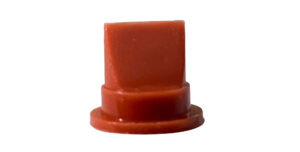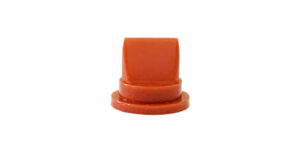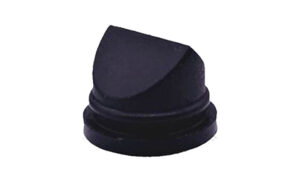
Unveiling the DJT270: The Robust Duckbill Valve for Precision Backflow Prevention
Blog URL Source: https://duckbillvalvefactory.com
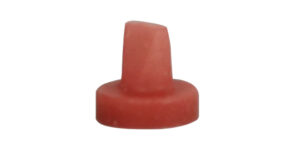
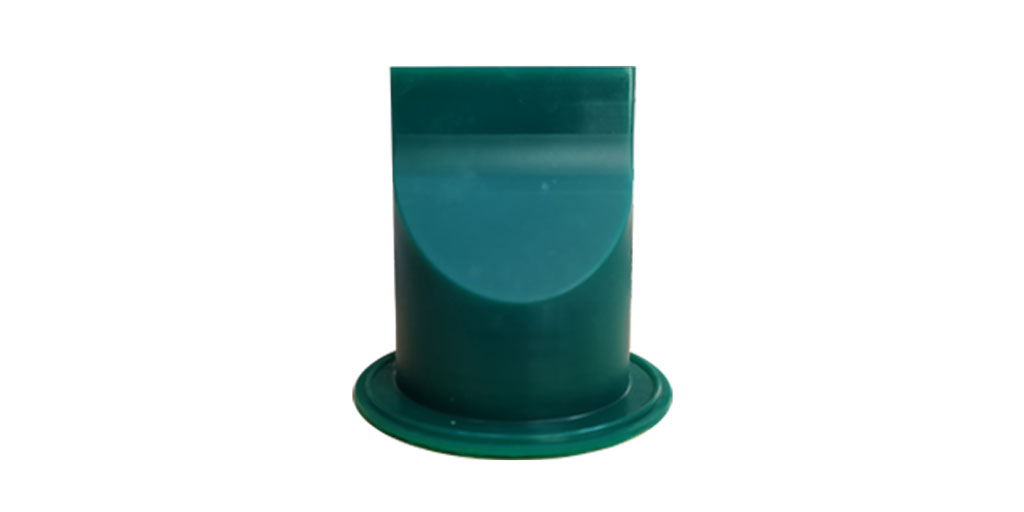
In the world of fluid control, the humble check valve plays a critical role in system integrity and safety. Among the various designs, the duckbill valve stands out for its simplicity, reliability, and maintenance-free operation. Today, we are putting the spotlight on a specific workhorse from our production line: the DJT270 Duckbill Valve.
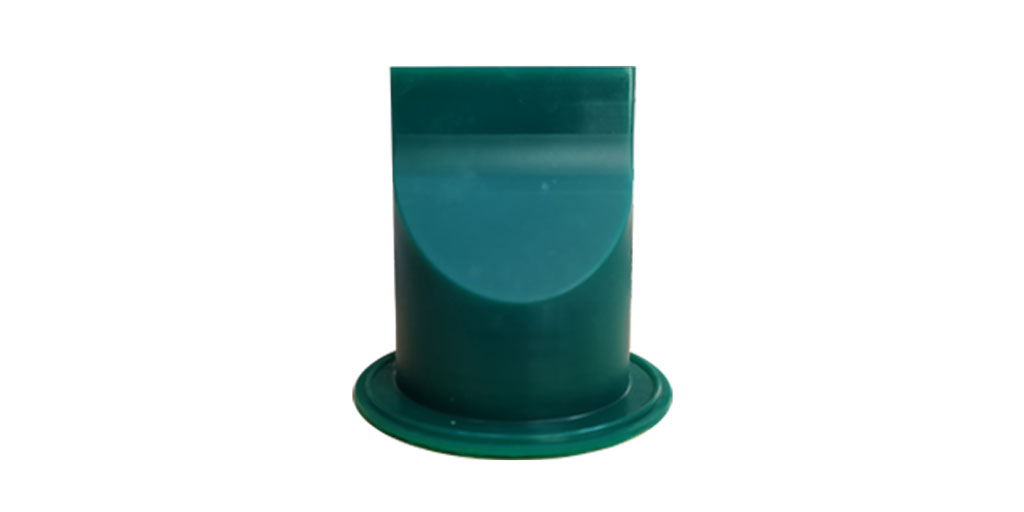
Engineered for demanding applications where dependable backflow prevention is non-negotiable, the DJT270 combines a compact footprint with robust performance. This article provides a comprehensive overview of its design, material specifications, application scope, and answers to frequently asked questions, helping you understand why this model might be the perfect fit for your project.
Key Specifications at a Glance
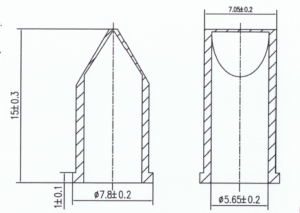
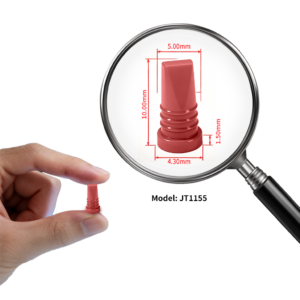
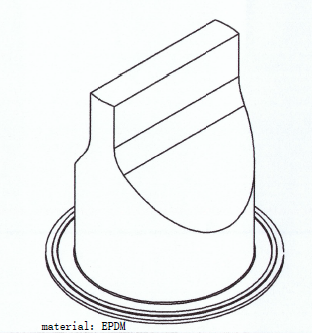
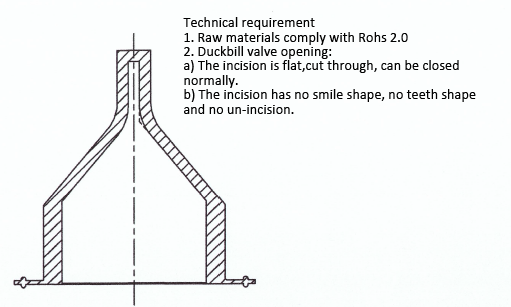
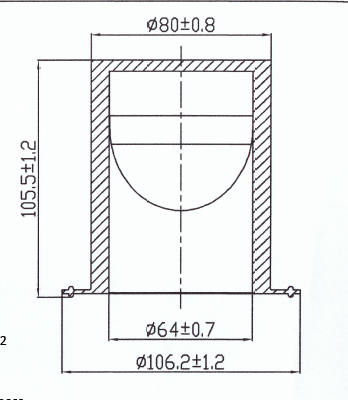
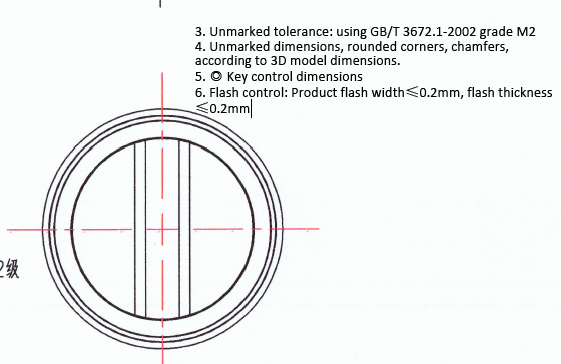
The DJT270 is defined by precision engineering. Its most critical dimension is an outer diameter of 106.2 mm. This specific sizing is crucial for secure fitment within pipelines or bulkheads. For a complete understanding of its dimensions and fit, we highly recommend consulting the official technical drawing available for this model, which provides all necessary installation clearances and tolerances.
Primary Applications: Where the DJT270 Excels
Thanks to its design and size, the DJT270 is exceptionally versatile. You’ll commonly find it deployed in:
- Municipal Wastewater & Stormwater Systems: Ideal for preventing backflow from rivers, lakes, or the sea into outfall lines. Its 106.2mm OD allows it to be a robust solution for medium-diameter discharge pipes.
- Industrial Effluent Management: Perfect for containing and directing the flow of industrial process water, slurries, and other non-potable liquids, ensuring they only move in the desired direction.
- Pond and Fountain Aerations: Used on air distribution lines, the DJT270’s sensitive lips open with low pressure, allowing for efficient air bubble release while preventing water from entering and clogging the air line when the pump is off.
- Flood Control: As a crucial component in tide gates and flood diversion systems, its ability to seal tightly against reverse pressure is paramount.
Material Composition and Performance Benefits
The performance of any elastomeric valve hinges on its material. The DJT270 is manufactured from high-quality, resilient synthetic rubber, chosen for its specific properties:
- Corrosion and Chemical Resistance: Unlike metal check valves, the DJT270 is immune to rust and highly resistant to a wide range of chemicals found in sewage and industrial effluent. This ensures a long service life even in harsh environments.
- Flex Fatigue Resistance: The proprietary rubber compound is formulated to withstand millions of opening and closing cycles without cracking or losing its elasticity. This guarantees decades of reliable, maintenance-free service.
- Abrasion Resistance: When handling solids-laden fluids, the soft, flexible nature of the rubber allows the valve to close around entrapped solids, ensuring a seal, while also resisting wear from abrasive particles.
Unpacking the Performance: Low-Pressure Sensitivity
One of the standout features of the DJT270 is its exceptional performance at low pressures. The duckbill’s “bill” is designed to be extremely flexible.
- Cracking Pressure: It requires only a minimal positive pressure (often just a few inches of water column) to open and allow forward flow. This makes it ideal for gravity-fed systems where pumping pressure is not available.
- Sealing Capability: Conversely, the moment forward flow ceases, or any reverse pressure (backflow) begins, the flexible lips instantly compress together. This “drop-tight” seal prevents even minute amounts of fluid from leaking backwards, which is critical for preventing contamination and protecting upstream equipment.
Frequently Asked Questions about the DJT270
Q1: How does the DJT270 handle solids or debris in the fluid?
A: Exceptionally well. Because the valve is made of a single piece of flexible rubber, the bill can distort to allow solids, such as rags or small debris common in wastewater, to pass through. Once the solid has passed, the elastic memory of the rubber instantly returns the bill to its closed, sealed position. This “pass-through” capability significantly reduces the risk of clogging.
Q2: What is the pressure rating for the DJT270?
A: The DJT270 is designed primarily for low to medium-pressure applications typical of gravity outfall lines. While it seals perfectly against high backpressure, its forward flow efficiency is optimized for systems where pressure is moderate. For exact pressure maximums, please refer to the technical data sheet associated with the drawing.
Q3: What is the expected lifespan of this valve?
A: With correct installation in a suitable application, the DJT270 is built to last for decades. The fatigue-resistant rubber compound ensures it can endure years of continuous flexing without failure. Its maintenance-free nature is one of its greatest economic benefits.
Q4: Can the DJT270 be used in potable water systems?
A: The standard DJT270 is manufactured from compounds suitable for wastewater and industrial applications. If you require a valve for potable water, please contact our sales team to inquire about versions made from FDA-approved or NSF-certified materials.
Conclusion
The DJT270 Duckbill Valve represents a perfect balance of smart design and durable material science. With its precise 106.2mm outer diameter, it offers a reliable, cost-effective, and maintenance-free solution for backflow prevention across a wide spectrum of industries. Whether you are designing a new wastewater outfall or upgrading an existing aeration system, the DJT270 delivers the performance and longevity you need.
For detailed installation instructions, pressure curves, and the exact technical drawing of the DJT270, please visit our product page or contact our engineering support team. We are here to help you specify the right solution for your critical infrastructure.