The JT1033-6: An EPDM Micro Duckbill Valve Engineered for Precision at ≤5Kpa
Blog URL Source: https://duckbillvalvefactory.com
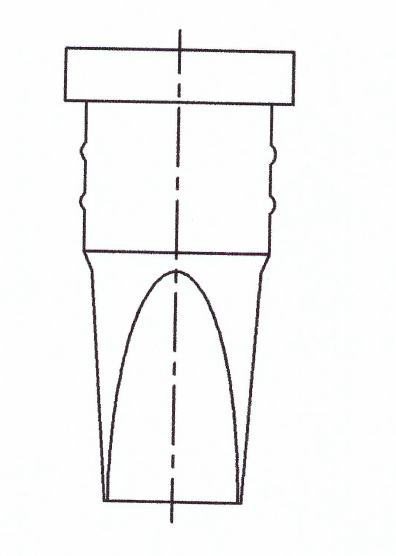
In the world of micro-fluidic control, the difference between success and failure often lies in the precise behavior of a single component. At DuckBill Valve Factory, our ISO13485-certified cleanroom and 17 years of specialized micro-molding expertise allow us to engineer valves that meet the most demanding performance specifications. Today, we are pleased to introduce the JT1033-6, a miniature duckbill check valve that combines the chemical resistance of EPDM with an ultra-precise, low cracking pressure.
The JT1033-6 is designed for applications where material compatibility and exact flow initiation thresholds are critical. Its consistent performance at pressures ≤5Kpa makes it an ideal choice for sensitive medical, diagnostic, and industrial systems.
JT1033-6: Specifications for Precision Low-Pressure Systems
This model is defined by its ultra-compact dimensions, specific material properties, and calibrated performance:
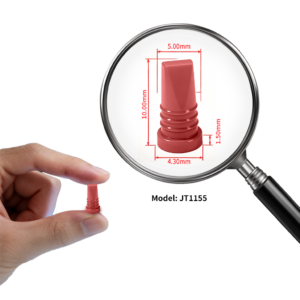
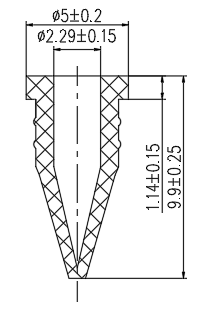
- Critical Dimensions: With a minimal outer diameter of just 5mm and a low-profile height of 9.9mm, the JT1033-6 is purpose-built for integration into the smallest fluid pathways, such as those found in advanced catheters, micro-dispensers, and portable diagnostic devices.
- Material Composition (EPDM): This valve is manufactured from high-quality EPDM (Ethylene Propylene Diene Monomer) . EPDM is renowned for its excellent resistance to weathering, ozone, and a wide range of chemicals, including many ketones and alcohols. It also exhibits superior flexibility at low temperatures, making it a versatile choice for various demanding environments.
- Material Hardness: It features a precisely controlled shore hardness of 55-65 degrees. For a 5mm EPDM valve, this range ensures the sealing lips are flexible enough to meet the low opening pressure requirement, yet firm enough to provide a robust, positive seal against backflow.
- Calibrated Opening Pressure: A key feature of the JT1033-6 is its guaranteed maximum opening pressure of ≤5Kpa (approximately ≤0.73 PSI) . This ultra-low and consistent cracking pressure is essential for gravity-fed systems, battery-operated micro-pumps, and applications where minimizing flow resistance is critical.
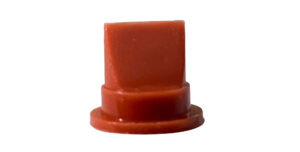
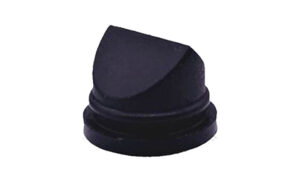
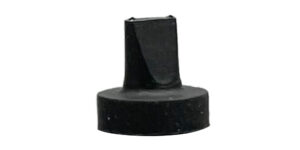
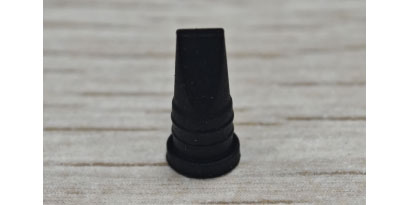
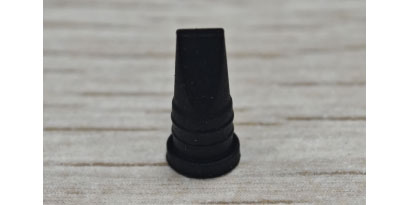
- Visual Identification: The valve is manufactured in a distinct black color. This provides easy visual identification, aiding in quality control and ensuring the correct EPDM material is used during assembly.
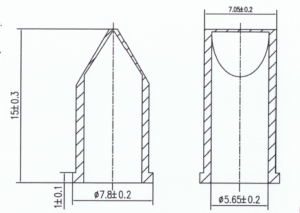
- Technical Drawing: For precise integration, the official technical drawing for the JT1033-6 is available, detailing all critical tolerances, lip geometry, and recommended mounting specifications.
Primary Applications: Where EPDM and Low-Pressure Precision Matter
Given its medical-grade manufacturing environment, EPDM composition, and ≤5Kpa opening pressure, the JT1033-6 is ideally suited for:
- Diagnostic Reagent Handling: EPDM’s compatibility with many diagnostic reagents and buffers makes the JT1033-6 perfect for one-way flow control in microfluidic chips and point-of-care testing cartridges, where its low cracking pressure ensures gentle fluid movement.
- Medical Drainage and Suction Devices: In low-vacuum drainage systems, the ≤5Kpa opening pressure allows the valve to function as a reliable anti-reflux device without impeding necessary drainage flow.
- Portable and Wearable Drug Delivery: For patch pumps or wearable injectors delivering sensitive biologics, the JT1033-6 provides a dependable one-way barrier, preventing backflow and ensuring dosing accuracy with minimal energy expenditure from the micro-pump.
- Environmental Monitoring Equipment: EPDM’s excellent weather resistance makes this valve suitable for outdoor air or water sampling equipment, where precise, low-pressure check valving is required to maintain sample integrity.
Material and Performance Characteristics
The JT1033-6 is manufactured under strict ISO13485 protocols in our cleanroom facilities.
- EPDM Material Advantages: EPDM offers exceptional resistance to polar fluids, steam, and many chemicals. Its flexibility at low temperatures ensures the ≤5Kpa opening pressure is maintained even in cooler operating environments. This material is also easily sterilizable by common methods like EtO and autoclaving.
- Guaranteed Low Cracking Pressure (≤5Kpa): The combination of the 55-65 durometer EPDM and precision-molded lip geometry ensures that the JT1033-6 opens consistently and reliably at or below its 5Kpa rating. This is verified through rigorous QC testing, providing engineers with a dependable specification for their system design.
- Molding Precision and Consistency: Our advanced micro-injection molding process ensures that the complex 5mm geometry is reproduced flawlessly, guaranteeing that every JT1033-6 performs to the same exacting standard.
Frequently Asked Questions about the JT1033-6
Q1: What is the key advantage of using EPDM for the JT1033-6?
A: EPDM is chosen for its broad chemical compatibility, particularly its resistance to ketones, alcohols, and phosphate esters, which are common in diagnostic reagents and cleaning fluids. It also offers superb resistance to ozone, UV, and weathering, and retains its flexibility across a wide temperature range, ensuring the ≤5Kpa opening pressure is reliable in various conditions.
Q2: Why is the ≤5Kpa opening pressure specification important?
A: A guaranteed maximum opening pressure of ≤5Kpa is critical for systems that operate with very low driving forces, such as gravity-fed infusions or miniature battery-powered pumps. It ensures the valve opens reliably when needed, minimizing flow resistance and allowing for accurate, low-energy fluid delivery. It provides a reliable benchmark for system designers.
Q3: How does the 55-65 shore hardness contribute to the low opening pressure?
A: The 55-65 durometer range provides the ideal balance. It is soft enough to allow the ultra-thin 5mm lips to part easily under minimal forward pressure (≤5Kpa). Simultaneously, it is firm enough to ensure the lips snap back to a tight seal the moment forward flow ceases, preventing backflow without requiring high pressure to close.
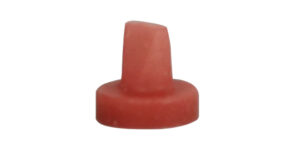
Q4: Why is the JT1033-6 black instead of red like some other micro valves?
A: The color often indicates the material type for easy identification. While red is commonly used for general-purpose medical silicones or similar materials, black is frequently associated with EPDM. This color-coding helps prevent material mix-ups during manufacturing and assembly, ensuring that the valve with the specific chemical resistance and performance of EPDM is used in the correct application.
Q5: Is the JT1033-6 suitable for sterilization?
A: Yes, EPDM is compatible with common sterilization methods, including Ethylene Oxide (EtO) and steam autoclaving. However, the specific impact on long-term performance can depend on the cycle parameters. We recommend validating the sterilization process with your specific device configuration, and our team is available to provide material data to support your validation efforts.
Conclusion
The JT1033-6 Duckbill Valve represents a precise convergence of material science and micro-engineering. With its ultra-compact 5mm x 9.9mm footprint, chemically resistant EPDM construction, and guaranteed ≤5Kpa opening pressure, it offers a robust, specification-driven solution for the most demanding low-pressure fluid control challenges in medical and diagnostic applications.
For design engineers seeking a reliable, high-performance micro-valve with exacting material and performance characteristics, the JT1033-6 delivers proven, verifiable quality. To request the detailed technical drawing, discuss custom modifications, or order evaluation samples, please contact our engineering sales team today.